 Fuli Vision
Built for the stores that weigh things.
Fresh produce is the one category every food business still handles by hand and judges by eye: at the scale, on the shelf, at the receiving bay. Fuli Vision starts where that costs the most and the help is the thinnest.
Independent fresh-food stores and fruit shops
Several scales, thin margins, staff who change every few months and speak three languages between them. PLU codes live in one experienced head; when that person is off, the queue slows and expensive items get keyed as cheap ones.
Produce departments in larger stores
Self-service scales and self-checkout already exist; the hard part is the customer finding the right picture among two hundred. A camera that proposes the item removes the search and the mis-key at once.
Online grocery picking
Every picker has a different idea of a good mango. Customers notice. One grading standard, applied by the camera at the picking station, makes the quality in the bag the same whoever packed it.
Kitchens and bulk buyers
Central kitchens, hotel kitchens and caterers receive produce by the crate every morning with nobody free to check it. Weigh-in against the invoice and a grade per line turns the morning argument into a photo and a number.
Farms and packhouses
Highland vegetables and orchard fruit are graded by hand before they travel. The same models that grade on the shelf can grade on the packing line, so the grade the store receives is the grade that left the farm.
What we are not building
No customer tracking, no checkout-free stores, no facial anything. Fuli Vision looks at produce and shelves. If a use needs a camera pointed at people, it is not ours.
The data nobody else has.
Global produce models are trained on supermarket photos from Europe and North America. A Kuala Lumpur fresh-food store looks nothing like that, and sells things those models have never seen.
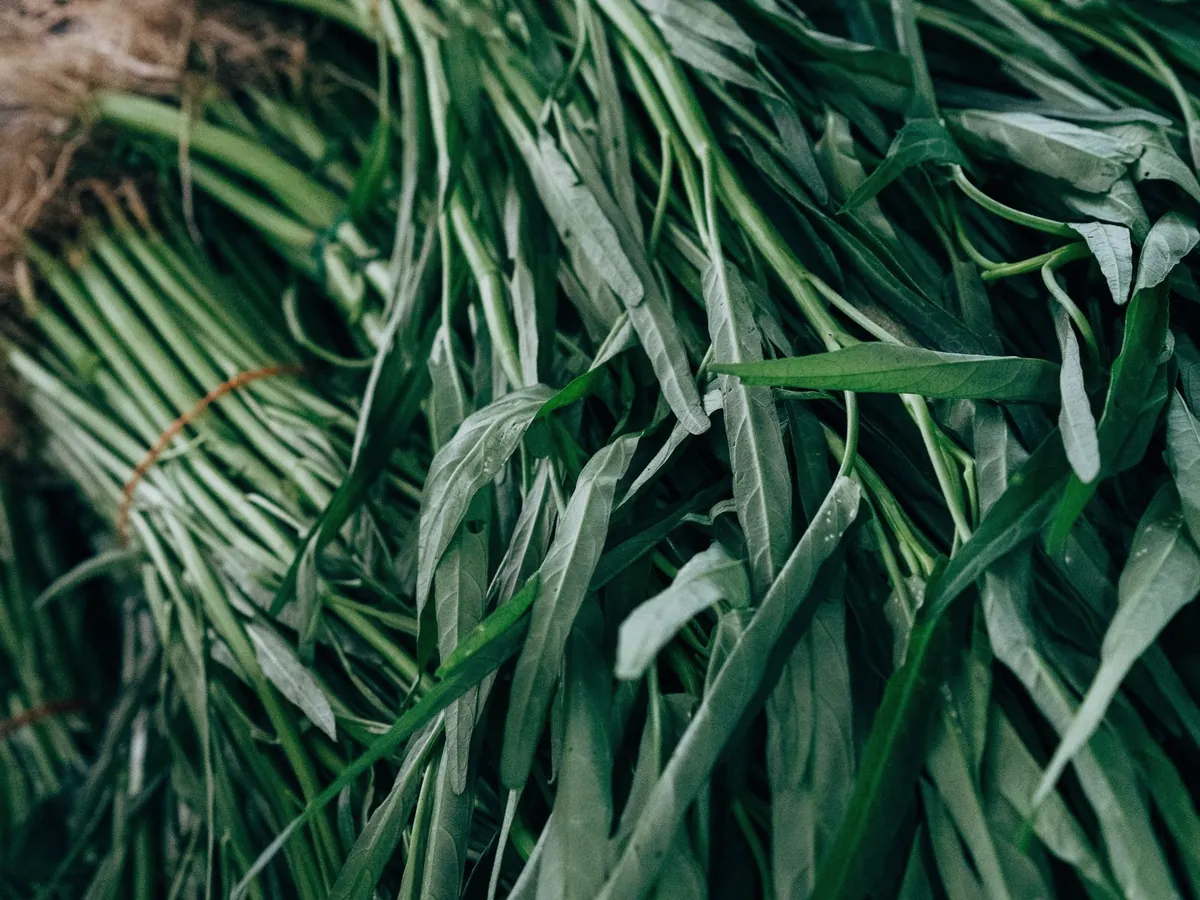
Petai, kangkung, rambutan, duku langsat, cili padi, sawi.
Sold by the stalk, by the bunch, by weight. Mixed daylight and fluorescent light in open-front shops. Loose on the pan or bagged in plastic. Photographed where they are sold, confirmed by the people who sell them.
That is the data the founder's two stores can give first, and why the models will be trained on it.
Malay, Chinese and English on the same shift. The scale screen speaks whichever the person at the counter chose.
Produce turns faster at 32 °C and 80% humidity. The afternoon grading pass exists because here a morning grade is stale by evening.
Malaysia's solid-waste corporation counts edible food thrown away by the tonne, every day, with fresh vegetables and fruit the largest share. Stores feel it as margin.
Your numbers, our arithmetic.
Move the sliders to your own store. This multiplies what you enter; it does not estimate a saving and it does not use anyone else's figures. Fuli Vision does not promise a reduction percentage.
Arithmetic only: weekly sales × 52 × waste share × timing share. Grade (Module 02) is built to move the timing part; by how much is what the first stores will measure.
What a first store needs.
One label scale with space for a small fixed camera, and a mains socket under the counter.
We capture images and confirmations during ordinary trade. Nothing changes for customers; staff tap confirm.
An owner or produce manager who will sit with us for an hour and tell us what Grade B means in their store.
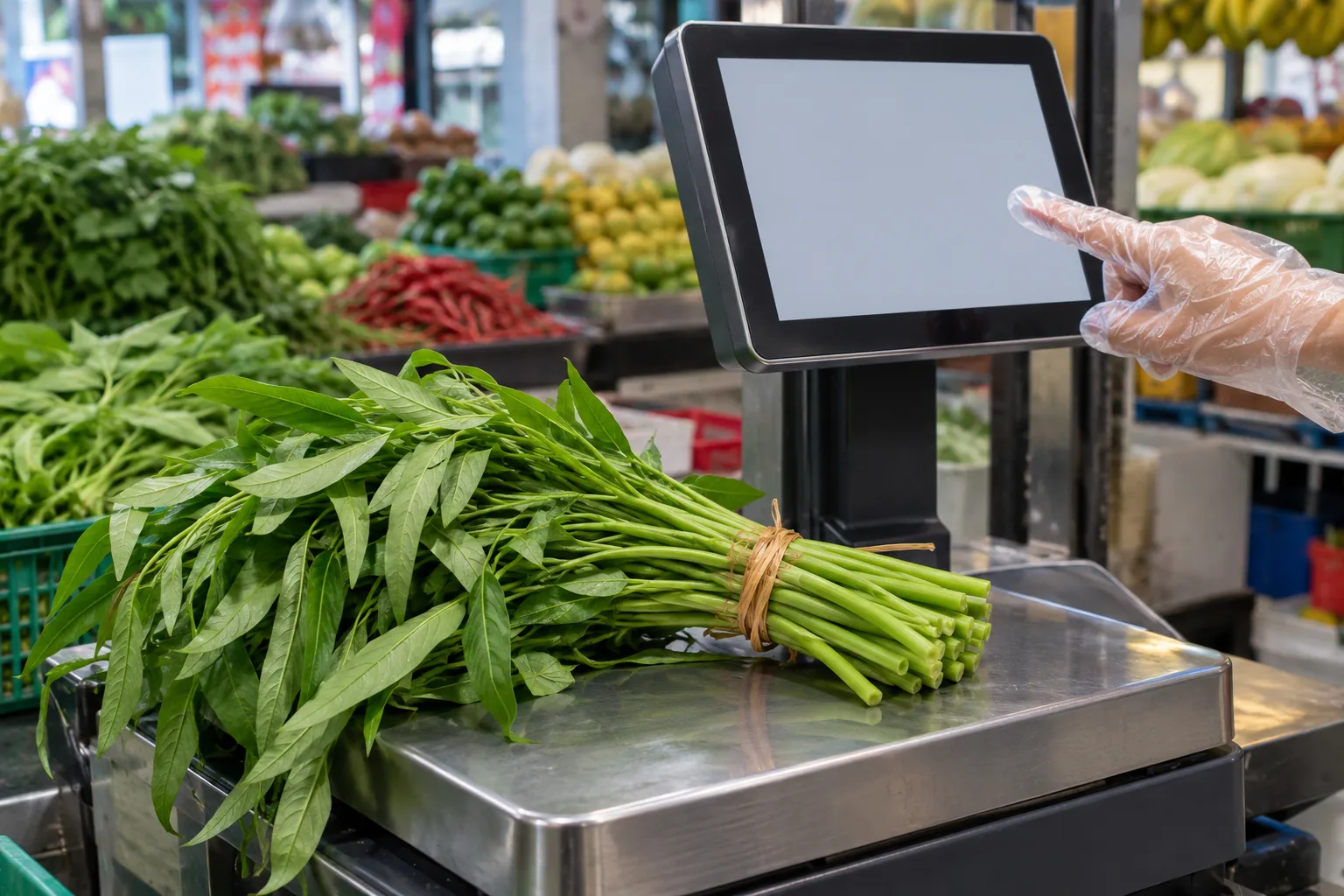
One tap. The label prints as before.
The camera proposes, the person confirms. Nothing changes for the customer, and nothing is charged without a tap.
Generated illustration.
In Kuala Lumpur or Selangor?
We are looking for the first stores beyond the founder's two.